How OTs Can Better Support Patients with Peripheral Neuropathy
Occupational therapists (OTs) know that peripheral neuropathy is a very common condition that can have a big impact on life in many ways, including affecting balance, coordination, and fine motor skills. For many patients, occupational therapy and peripheral neuropathy go hand-in-hand. Skilled occupational therapists use specific interventions to help individuals maintain their independence and quality of life with safety in mind.
How OTs Help Patients with Peripheral Neuropathy
OTs work both in the clinic and in the home to address the special needs of their neuropathy patients. In a clinical setting, OT interventions for neuropathy may include:
- Strength and dexterity exercises
- Sensory re-education techniques
- Adaptive equipment training
These interventions help to improve functional mobility in the hands, provide more stability to the feet, and boost overall mobility.
At home, therapists focus on strategies to improve everyday tasks and routines, such as being able to safely get up and down stairs, prep meals, and care for and bathe with ease. Recommending tools to reduce the risk of falls comes with the territory.
OT interventions for neuropathy gives patients a direct benefit as they use these OT neuropathy strategies in real-life settings.
When a Driver Rehab Specialist May Be Needed
For patients that are still able to drive but affected by peripheral neuropathy, OTs can play a crucial role in referral. OT neuropathy interventions are essential for functional independence, but sometimes a situation may benefit from more specialized assessment by a driver rehabilitation specialist (DRS) for neuropathy.
Neuropathy DRSs evaluate a patient’s ability to operate and drive a vehicle with safety. OT neuropathy DRSs consider what current reaction time and strength are, as well as help to identify sensory limitations. Together, OTs and DRSs that address neuropathy often communicate with one another and collaborate to create strong plans for supporting mobility, safety, and overall independence as patients manage the effects of neuropathy.
How OTs Can Become a DRS
Occupational therapists who understand treating neuropathy and the appropriate referral pathways to a driving rehab specialist can expand their professional opportunities. By completing specialized training to become a DRS, OTs with knowledge of neuropathy can still help people with this condition in a unique way.
Therapists interested in driver rehab services for neuropathy can use this pathway to grow their practice and enhance patient outcomes They can offer specialized OT neuropathy driving rehab to their patients.
This OT-to-DRS training teaches how to:
- Assess driving performance
- Suggest adaptive driving equipment and adaptations
- Develop personalized interventions for patients
- Collaborate with other healthcare providers
Expand Your OT Neuropathy Knowledge to Help More Patients
If you’re an OT who is interested in expanding your scope of practice, training to become a driver rehab specialist is a rewarding option. By adding OT and peripheral neuropathy expertise to your tool belt and becoming a DRS, you can improve quality of life and advocate for independence for your patients.
Learn more about Adaptive Mobility’s OT-to-DRS training program today.

Meet Susie!
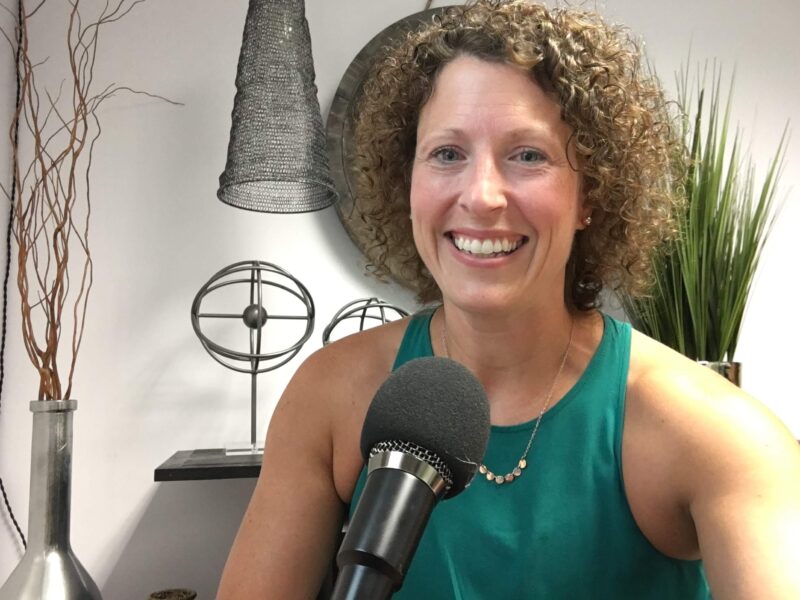
Susie Touchinsky, OTR/L, SCDCM, CDRS, is an established expert in both occupational therapy and driver rehabilitation. She has been an OT for more than 20 years and brings expertise and a love for helping others in her speeches and trainings.
Learn More With Our OT Driver Rehabilitation Specialist Courses
Try Our Free OT DRS Courses:
- OTs Role With Driving
- GRID: Generalist Resource to Integrate Driving
- Readiness to Drive: IADL Checklist
- FREE 6 Driving Resources for the OT
- 5-Steps Our Clients Use to Start Their Own Highly-Paid OT Driver Rehab Business
- Driving Risk Screening Tools
- BCAT Brief Cognitive Assessment Test System Overview
- BCAT Part 2: CBS 8 & 15-for-Me
Become the best OT Driver Rehabilitation Specialist you can be by being a life long learner.