Driver Rehabilitation

Adaptive Equipment

Adaptive Equipment Can be Confusing

The adaptive equipment available to you can be confusing and overwhelming and you may not be even sure what you need.

When you work with Susie at Adaptive Mobility, you will get recommendations for the adaptive equipment you need. You’ll be able to try the tools to discover what works best for you and then Susie will help you navigate your state licensing and write the prescription for the specific equipment you need to purchase.

Once you have your equipment, Susie will check in with you to make sure you like it and are happy.

She isn’t selling the equipment to you, she is there helping you find the right fit.

Types of Adaptive Equipment
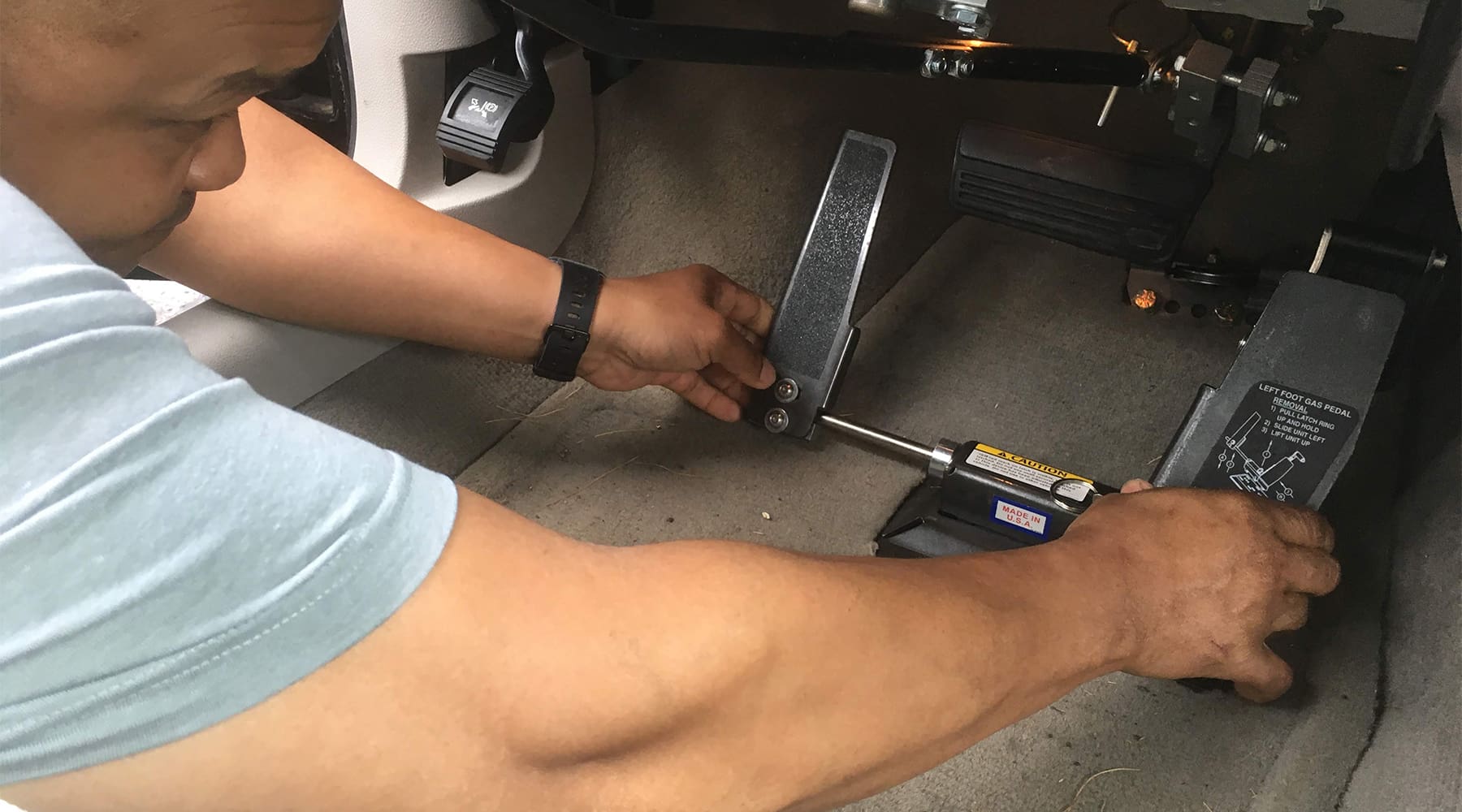
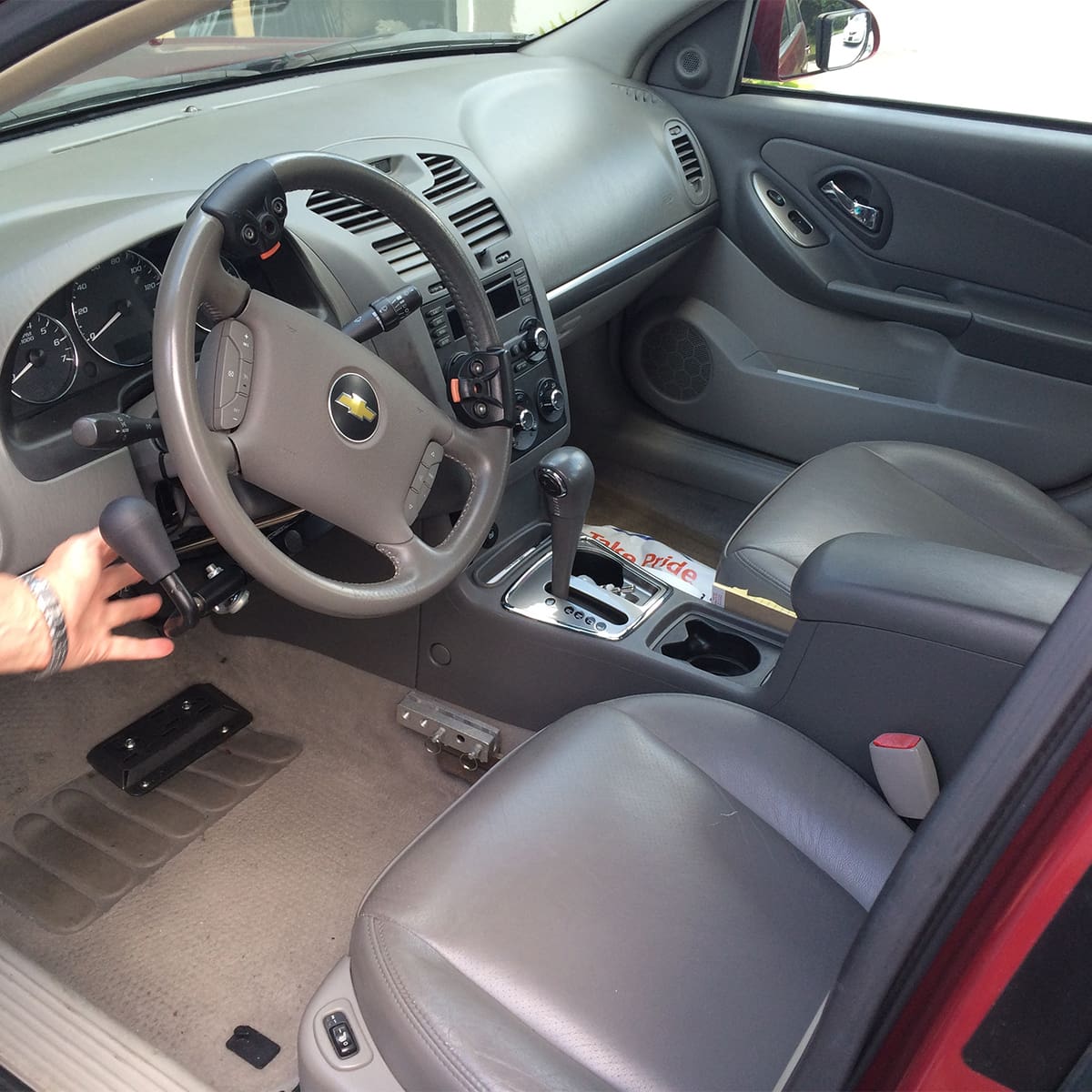
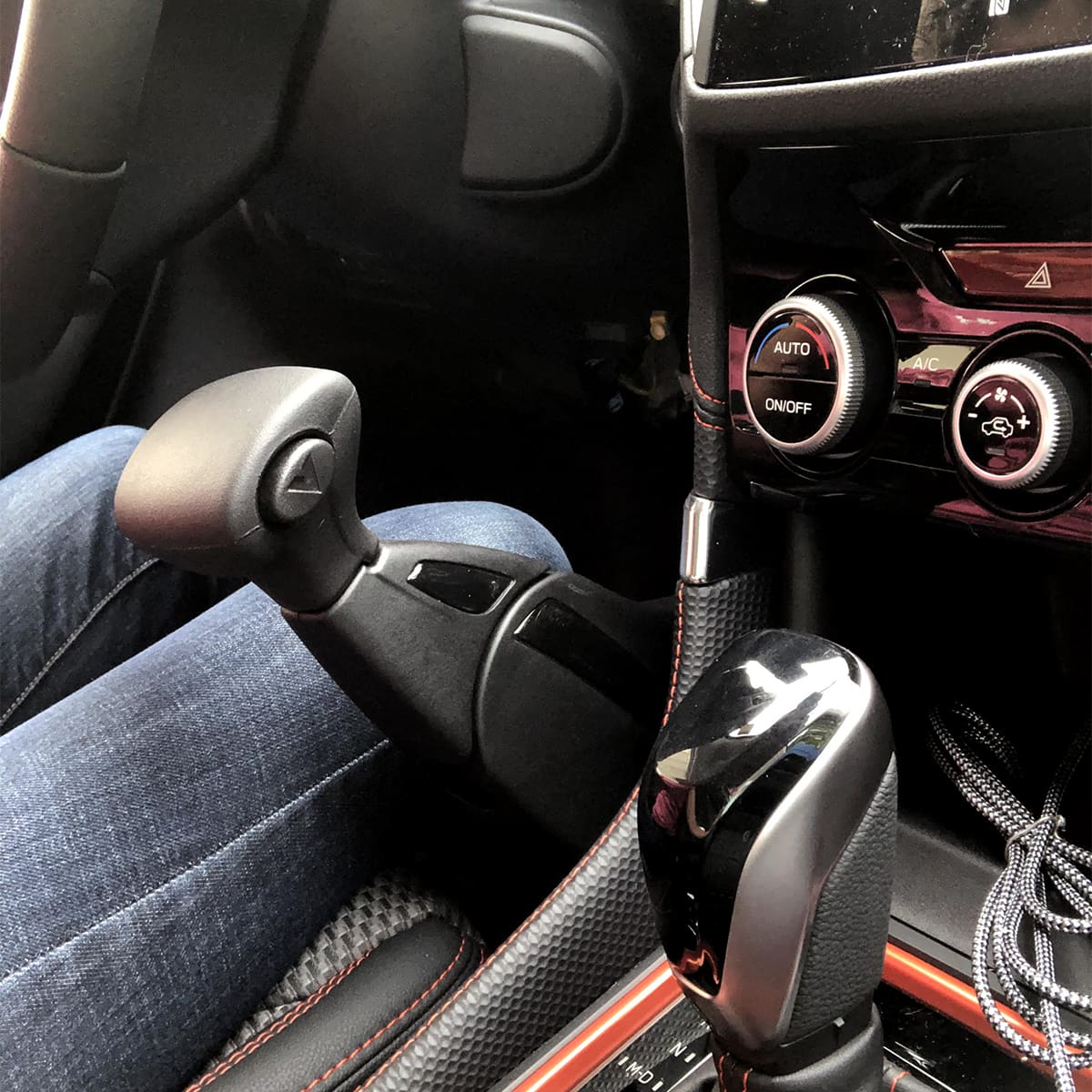
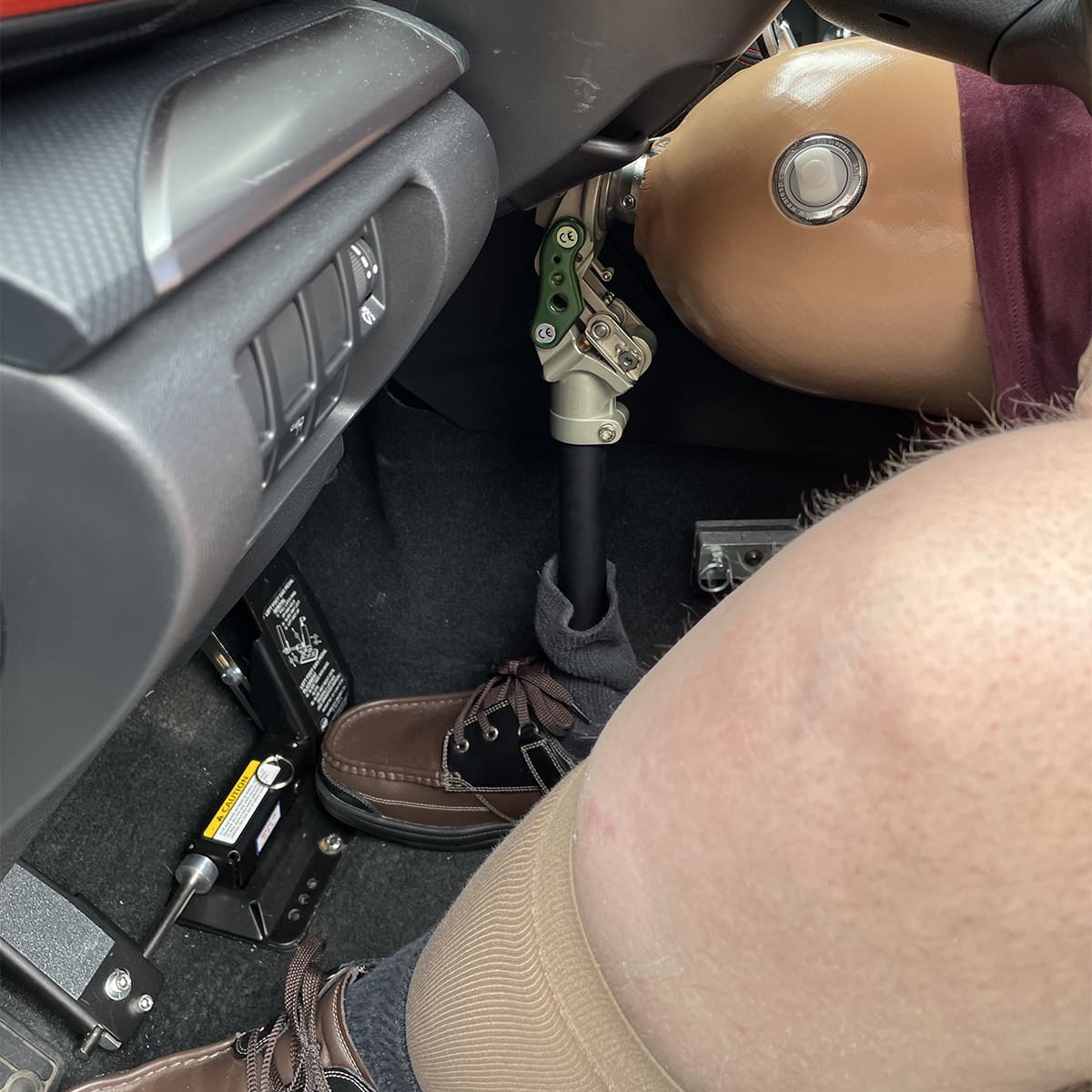
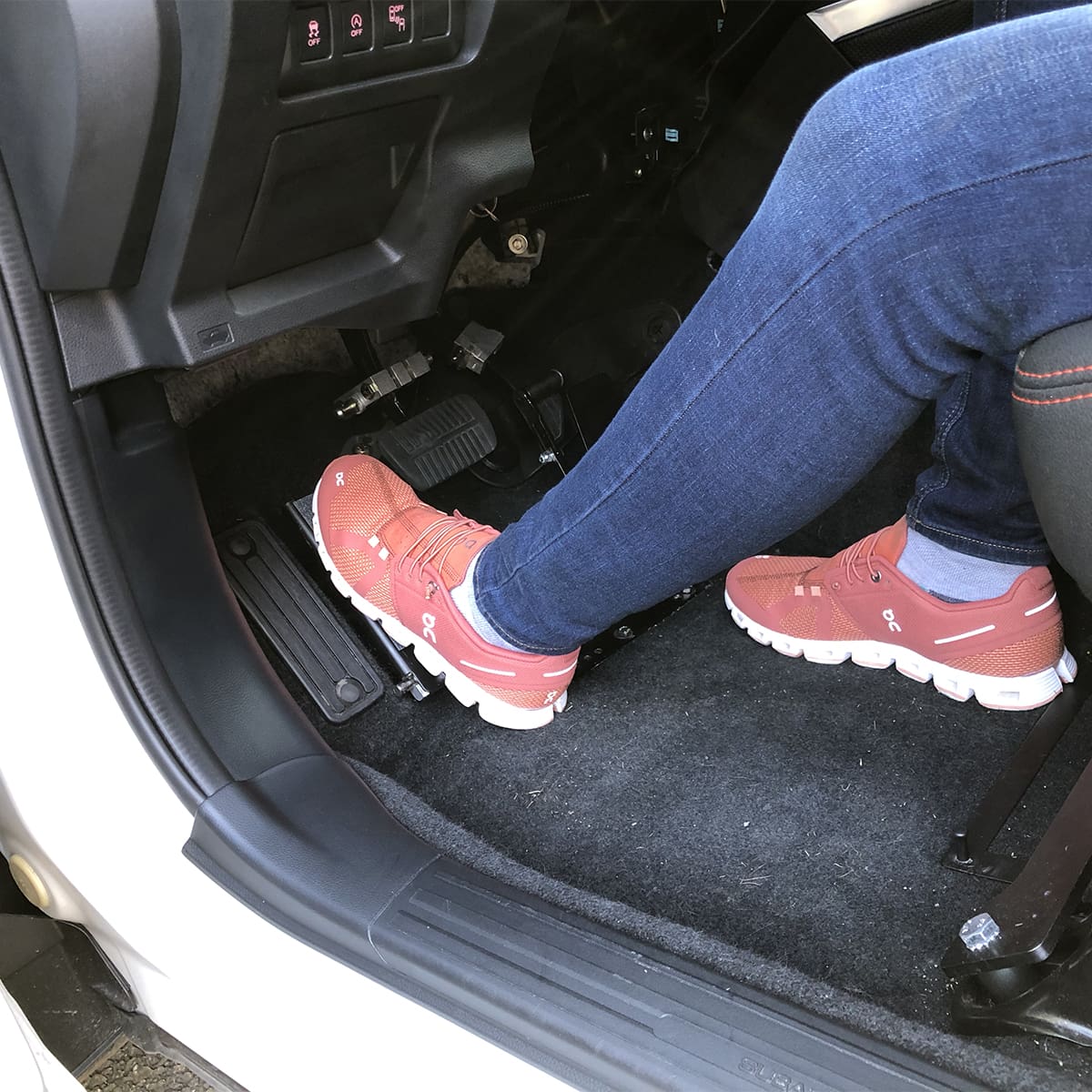
A vehicle with adaptive acceleration equipment.

Left Foot Acceleration

Left foot accelerators redirect the accelerator pedal to a position on the left side of the brake pedal, allowing someone who has loss of use to their right leg the ability to gas and brake safely.
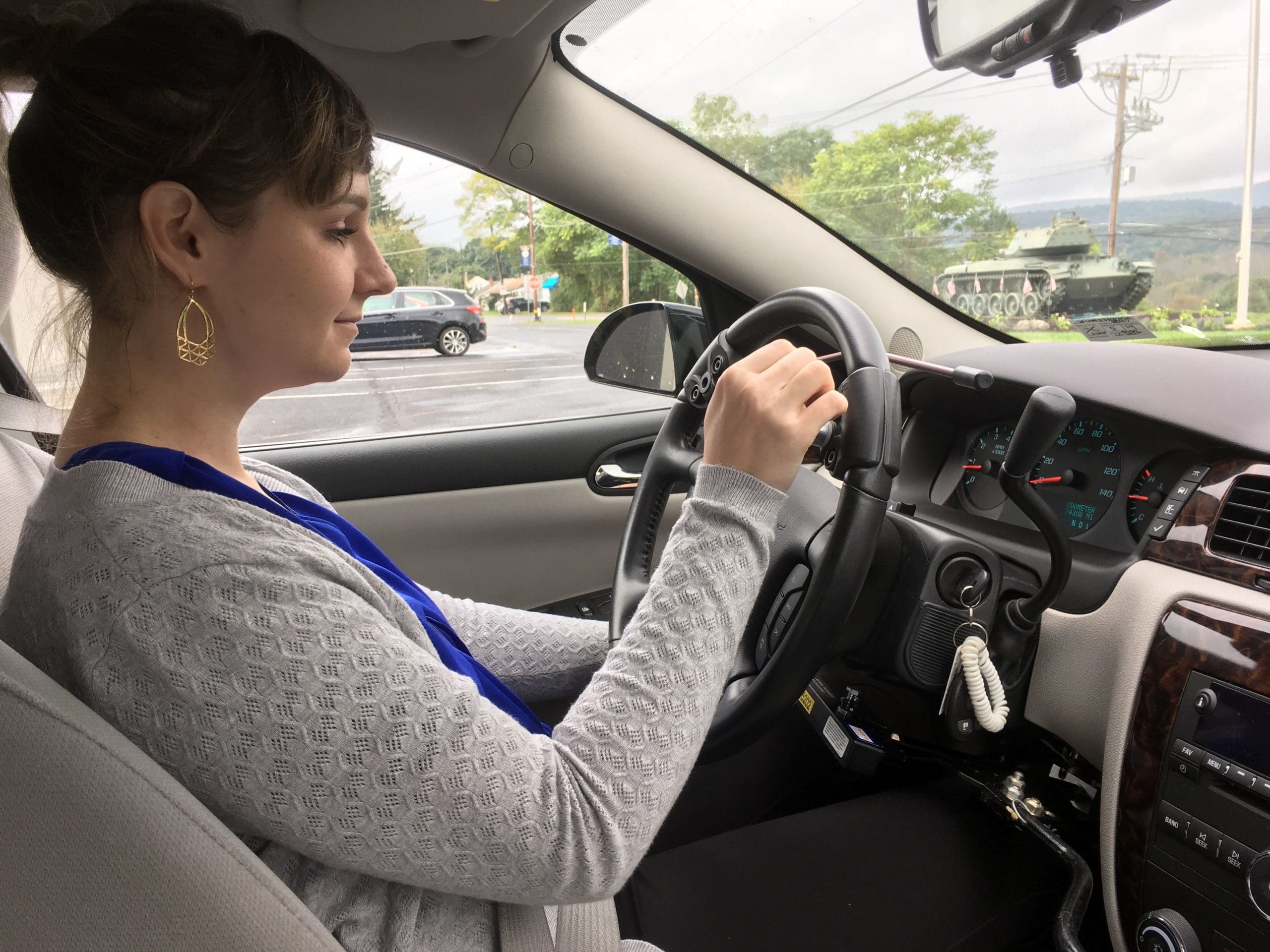
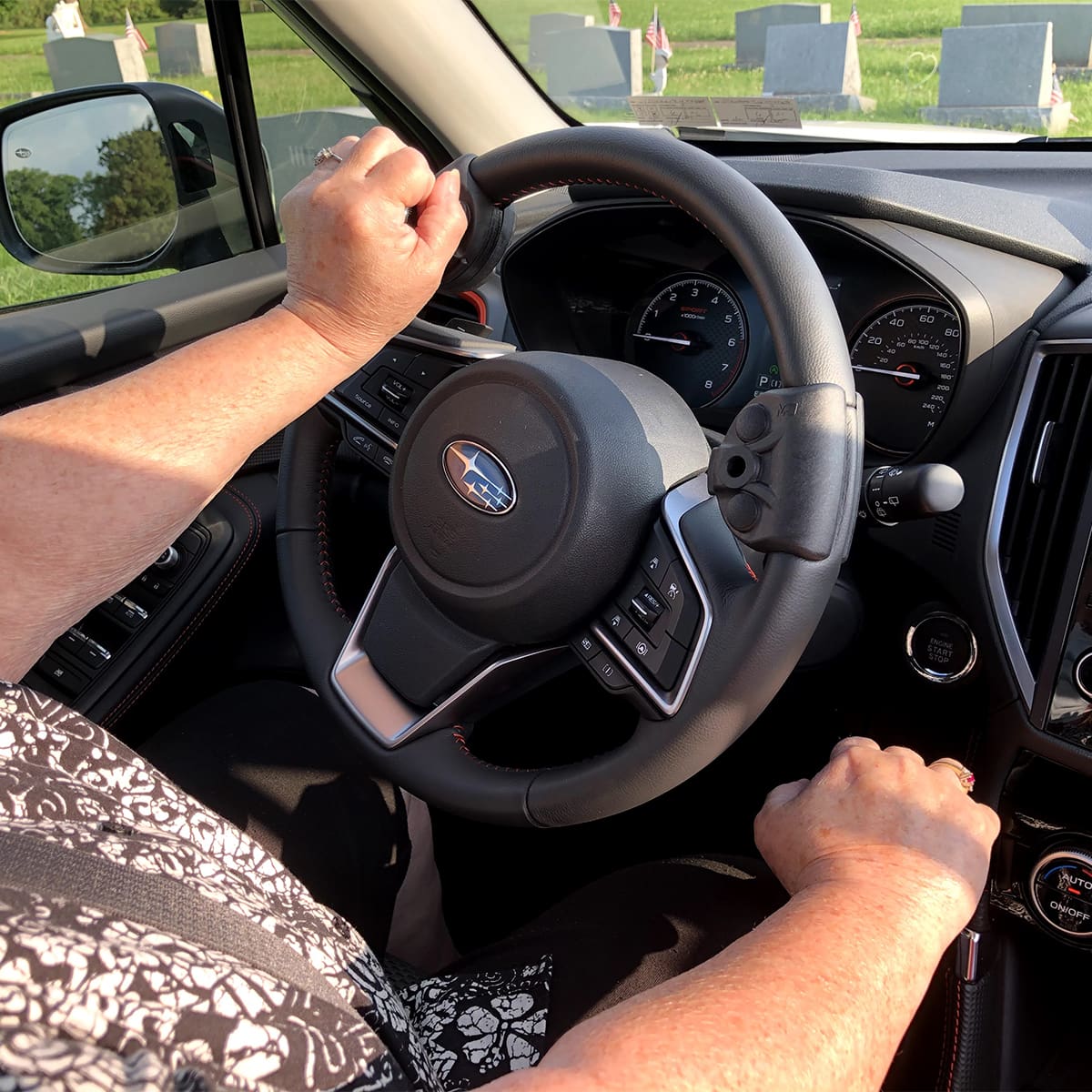
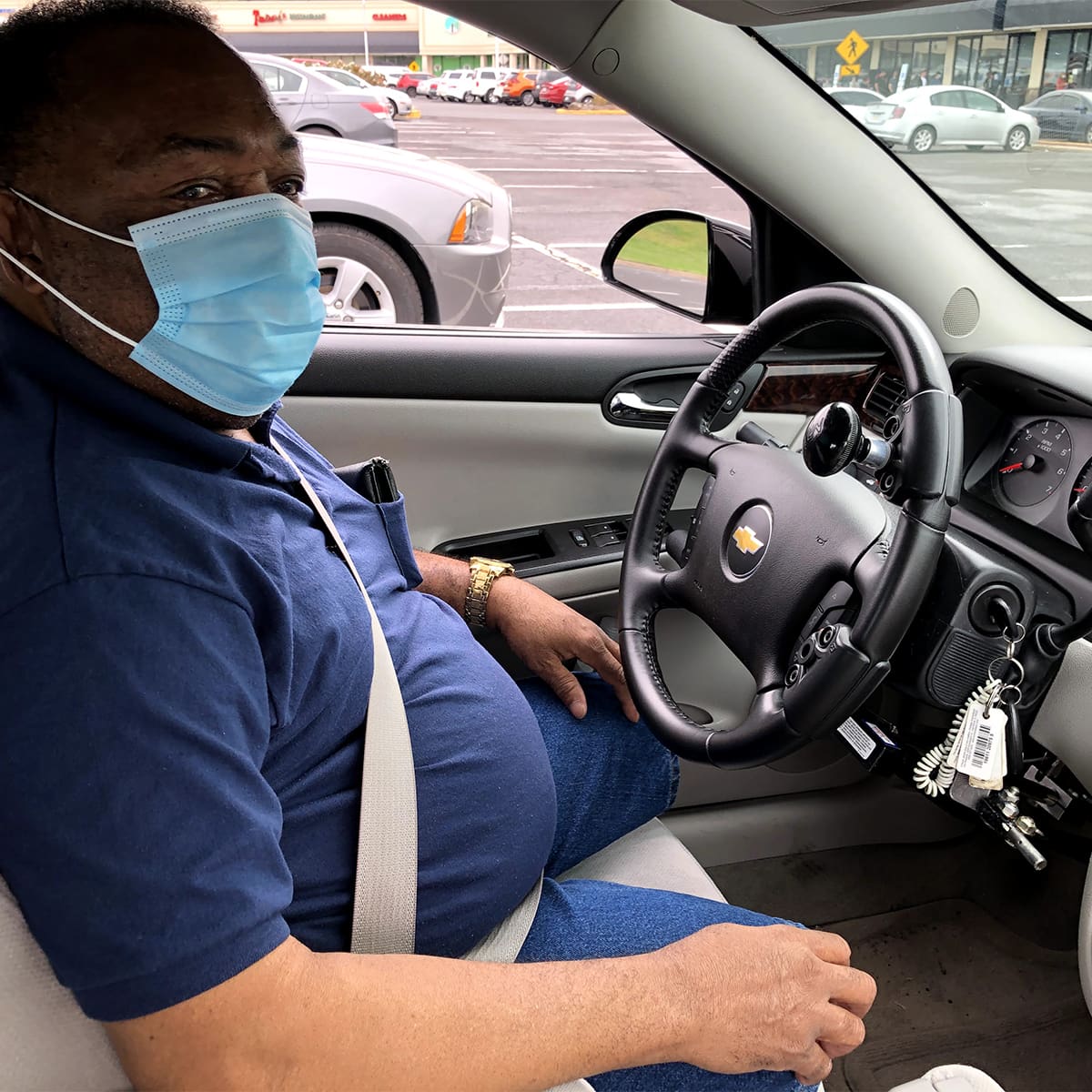
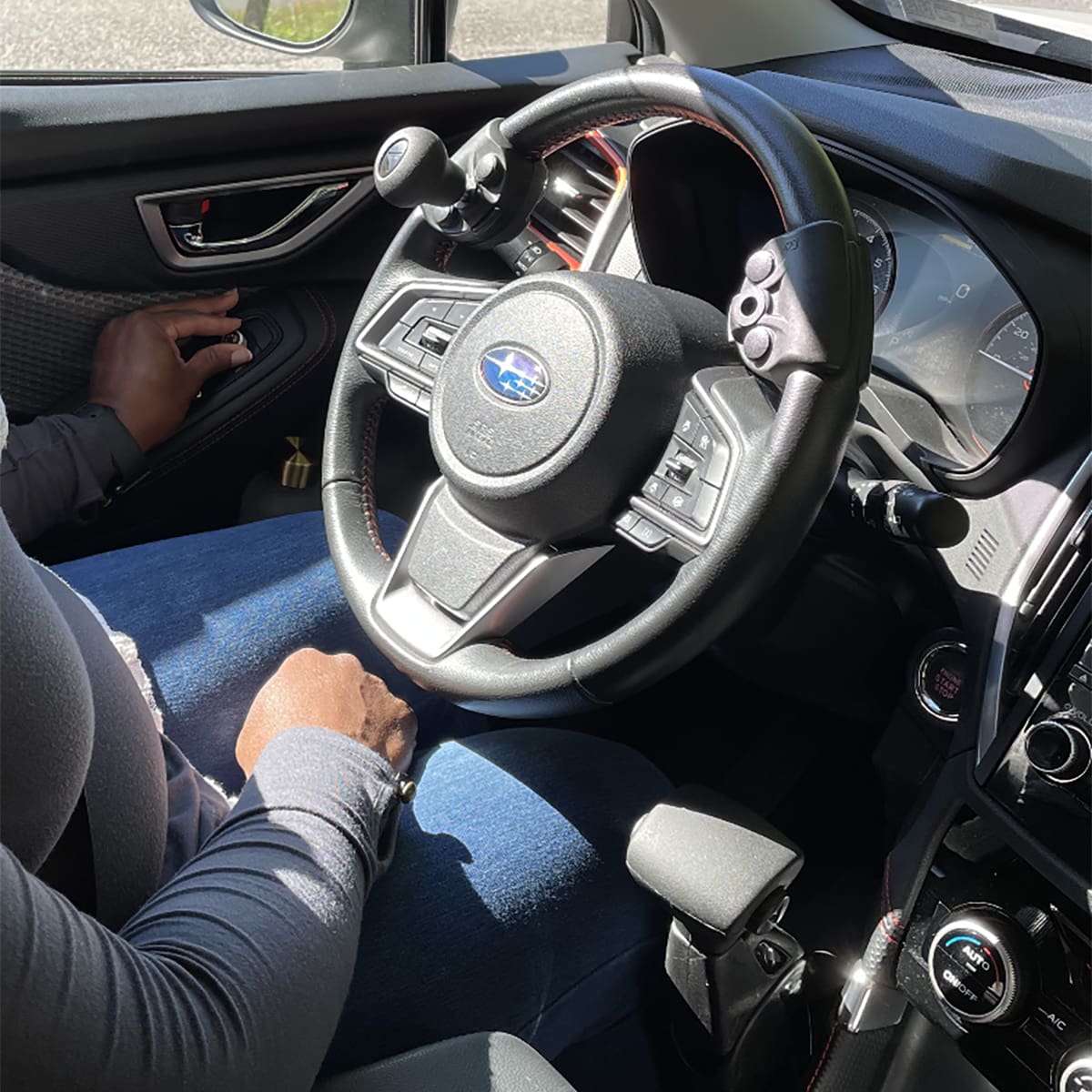
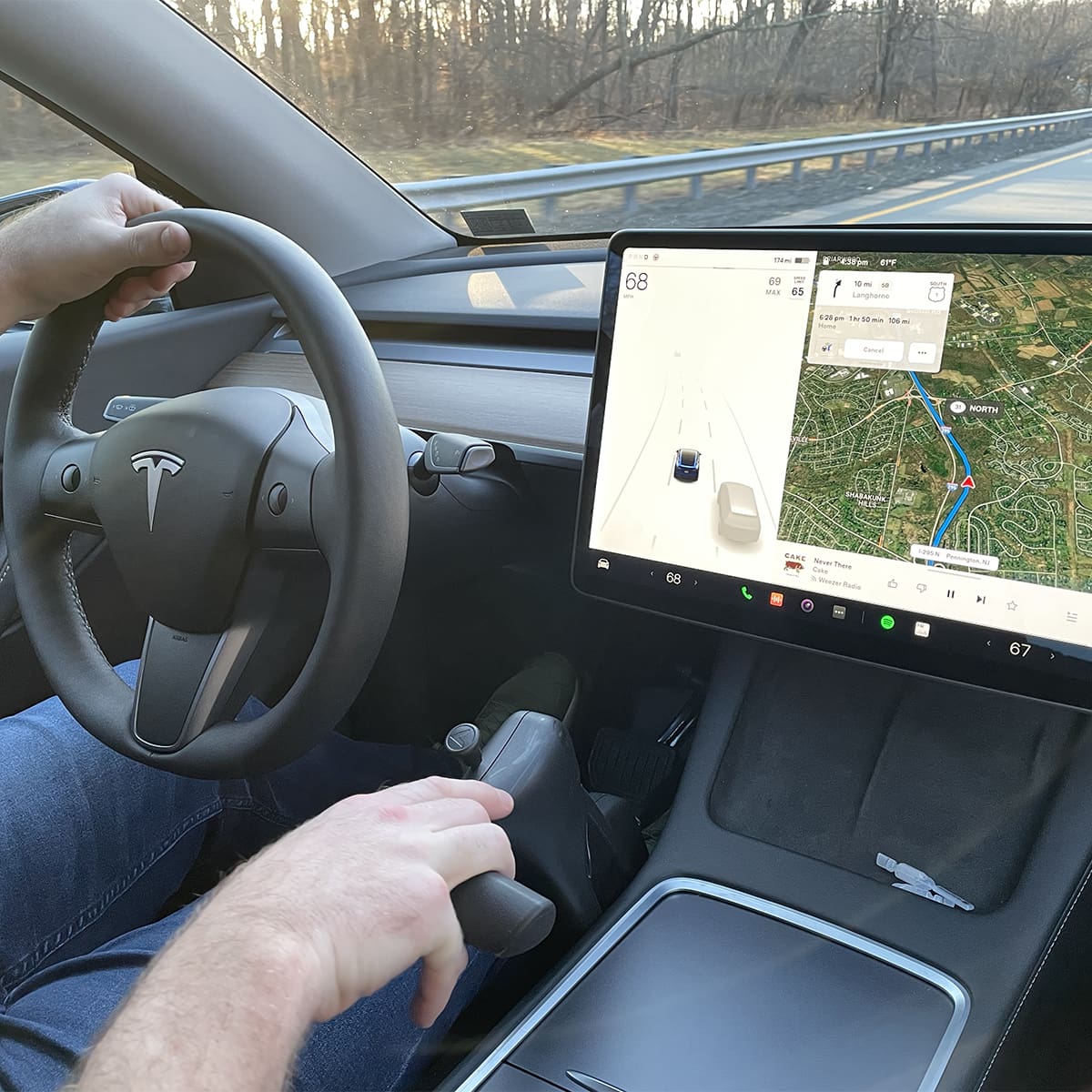
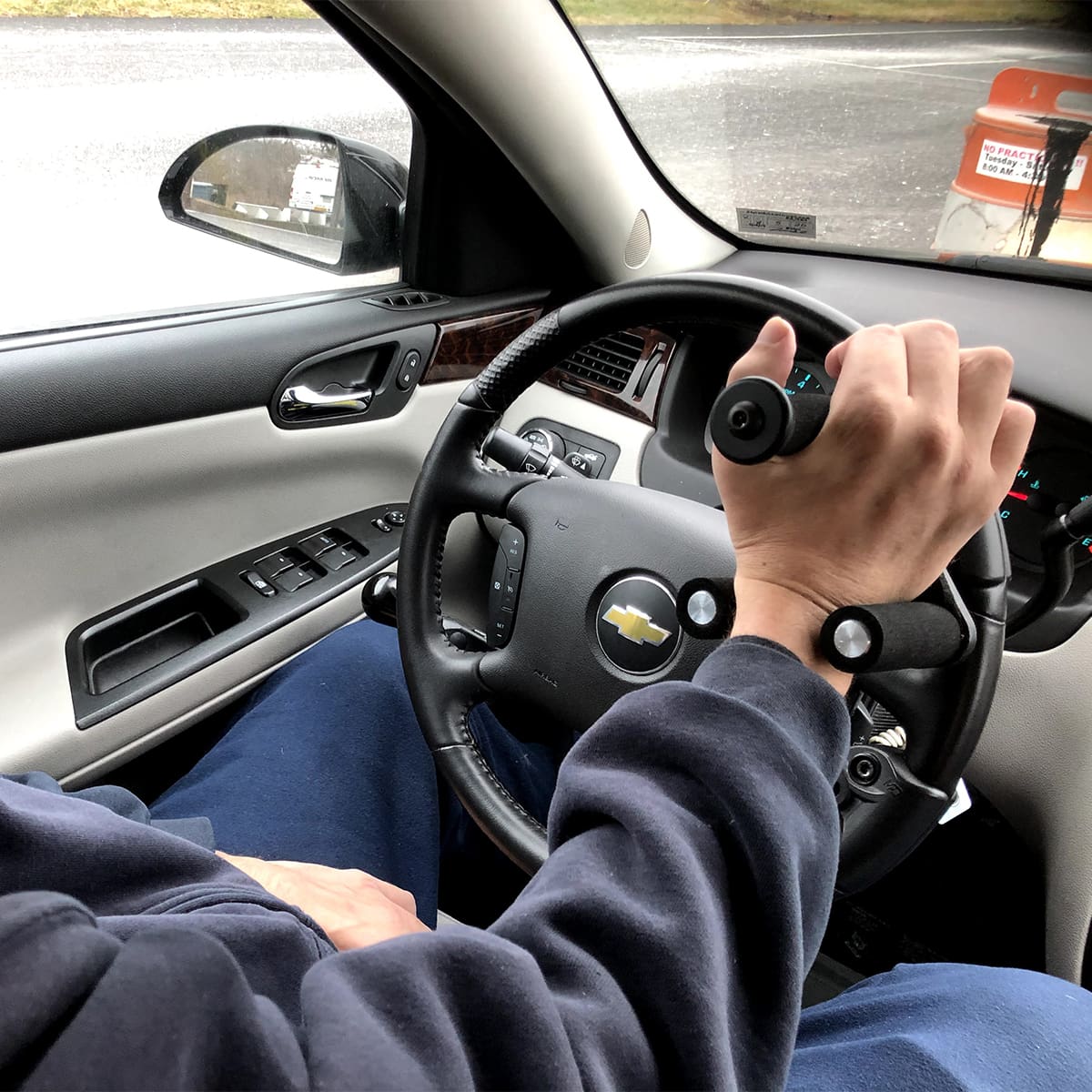
A person driving a car using adaptive steering equipment.

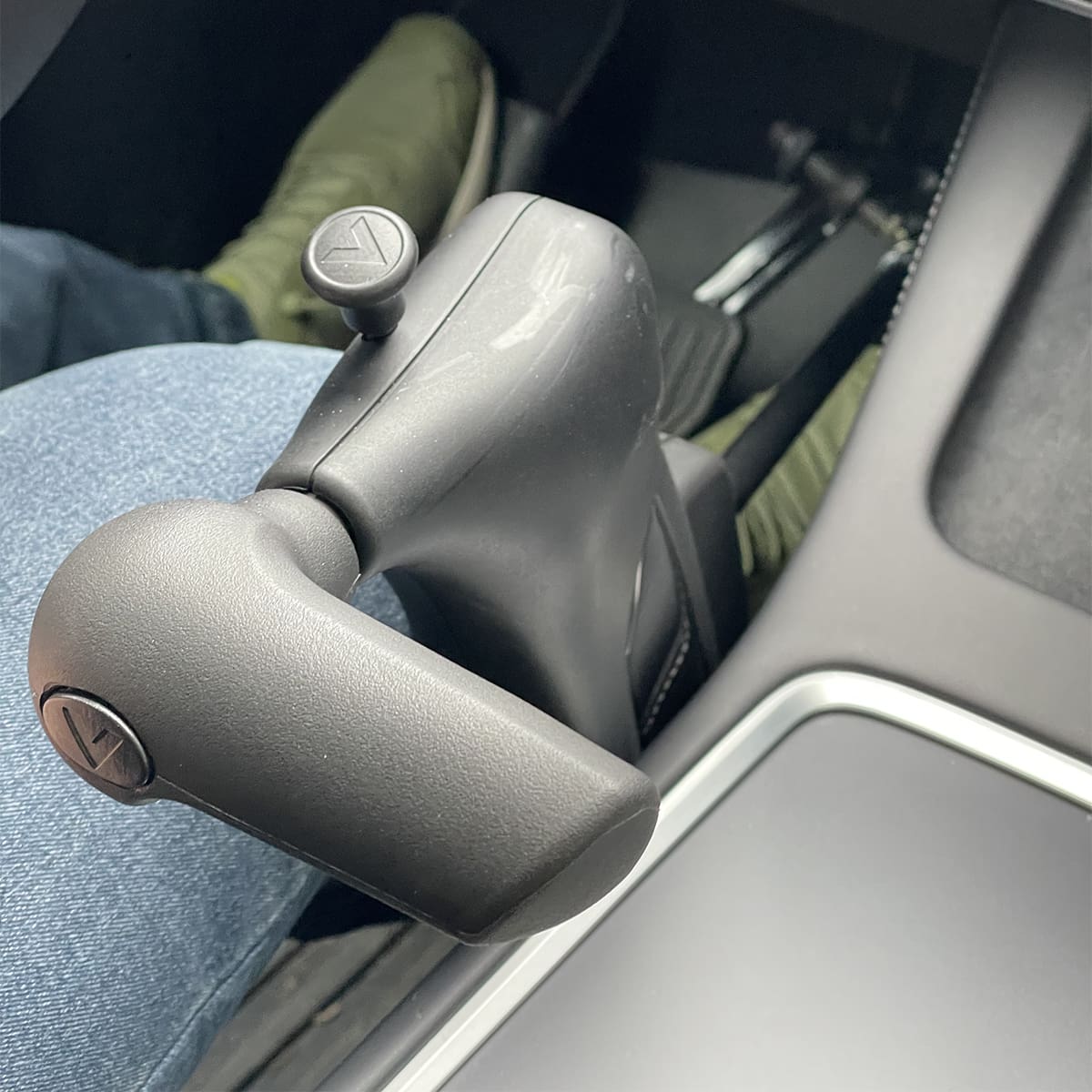
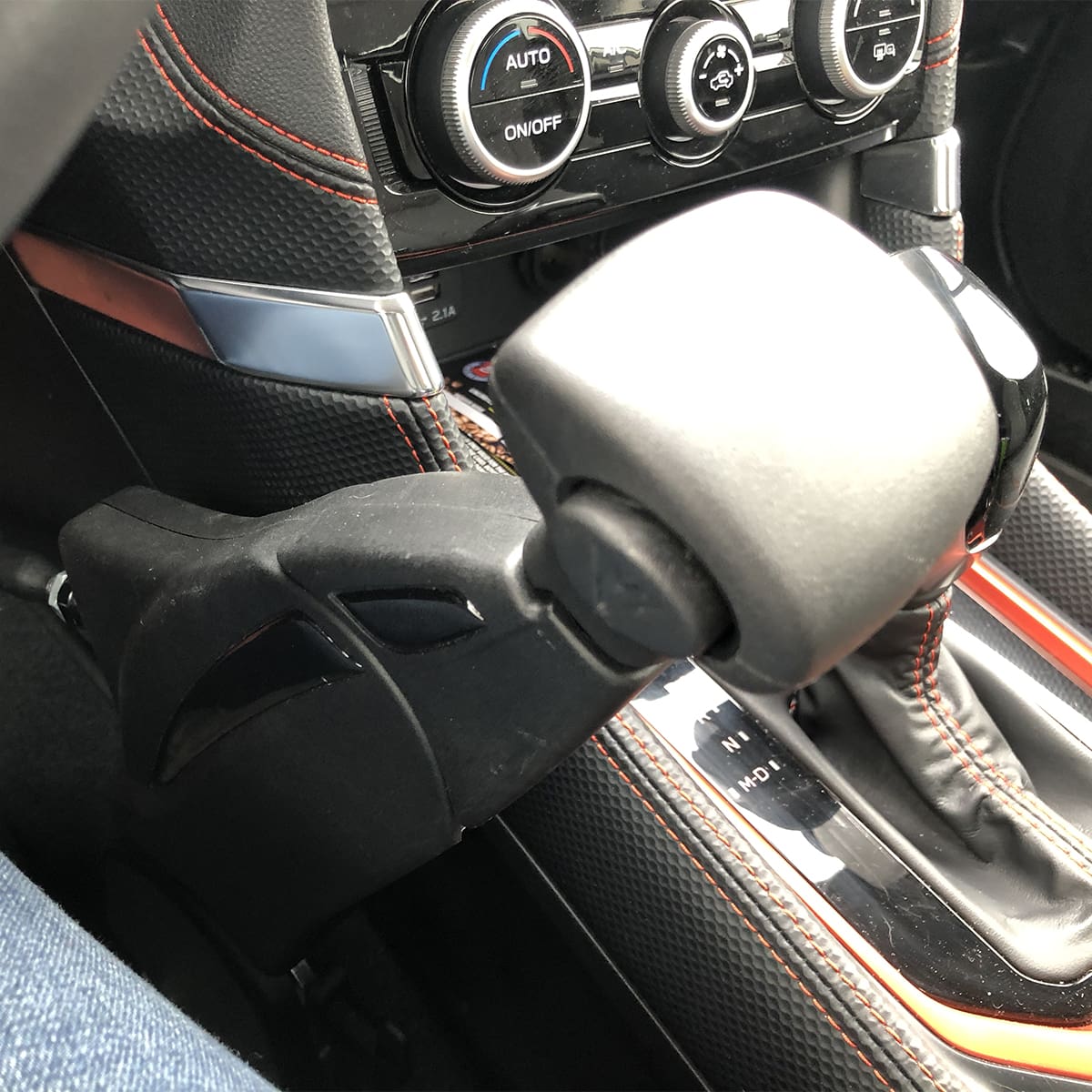
Hand Controls

Hand controls allow the driver to operate both the brake and gas pedal using levers that are typically mounted below the steering wheel and attach to the pedals themselves.
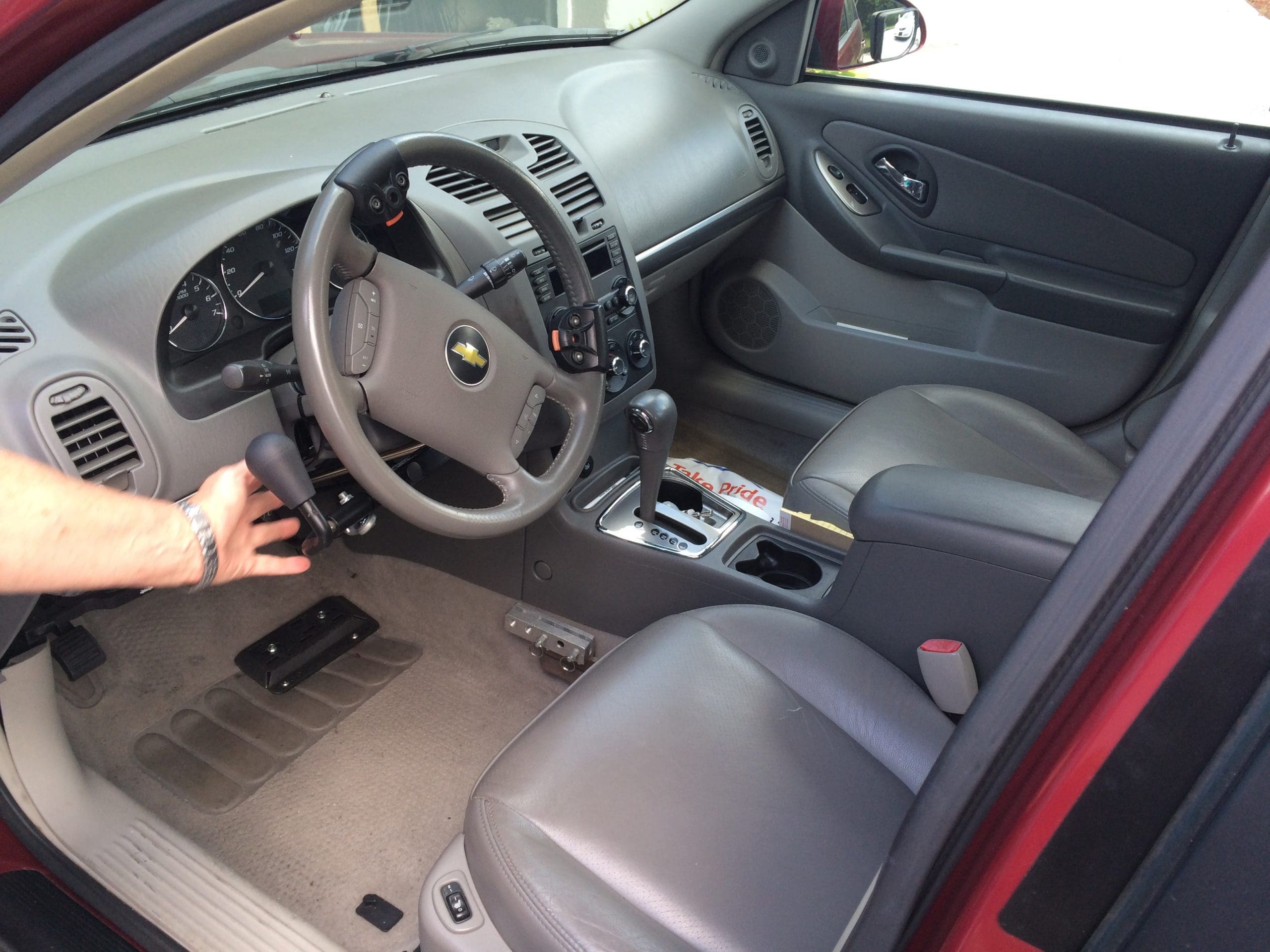
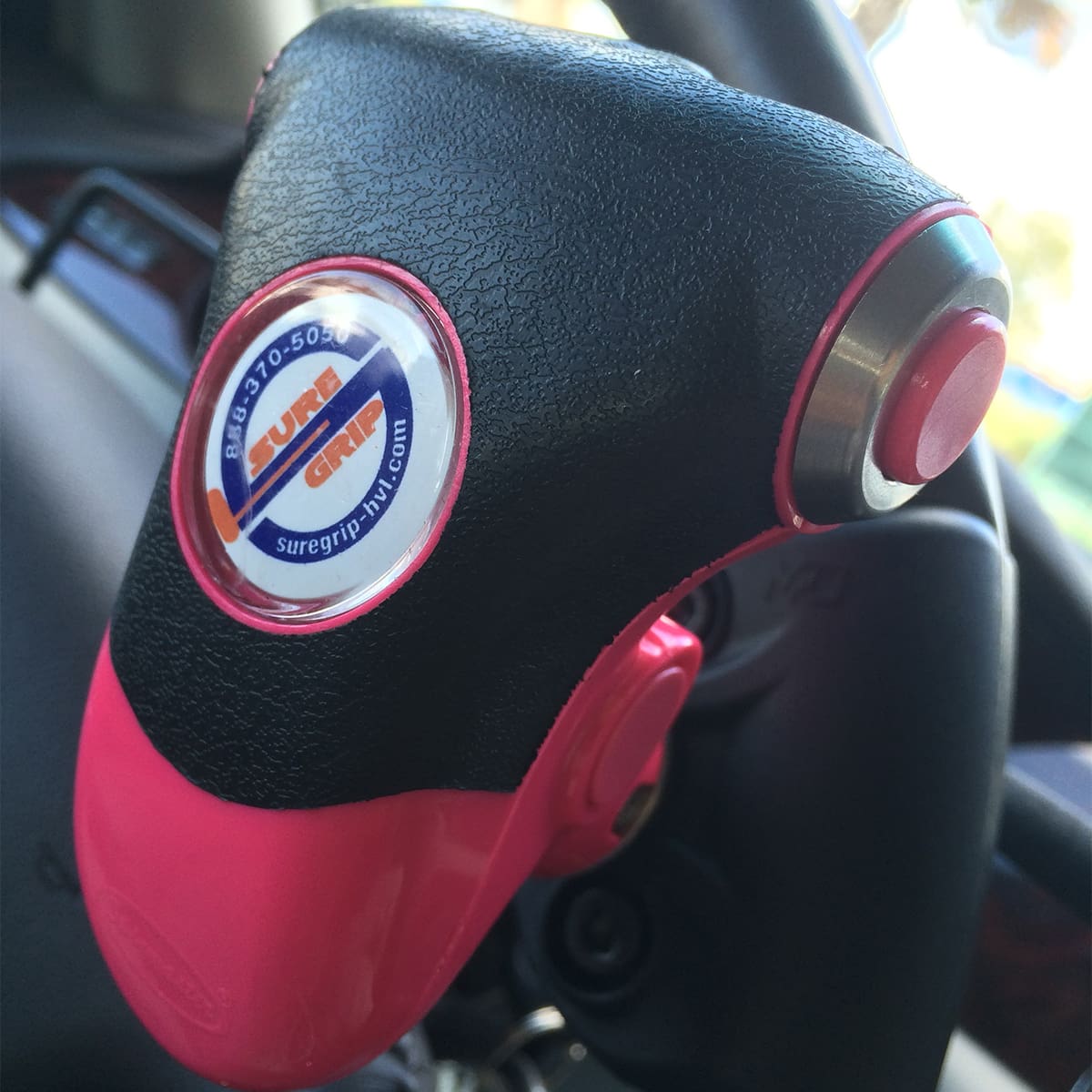
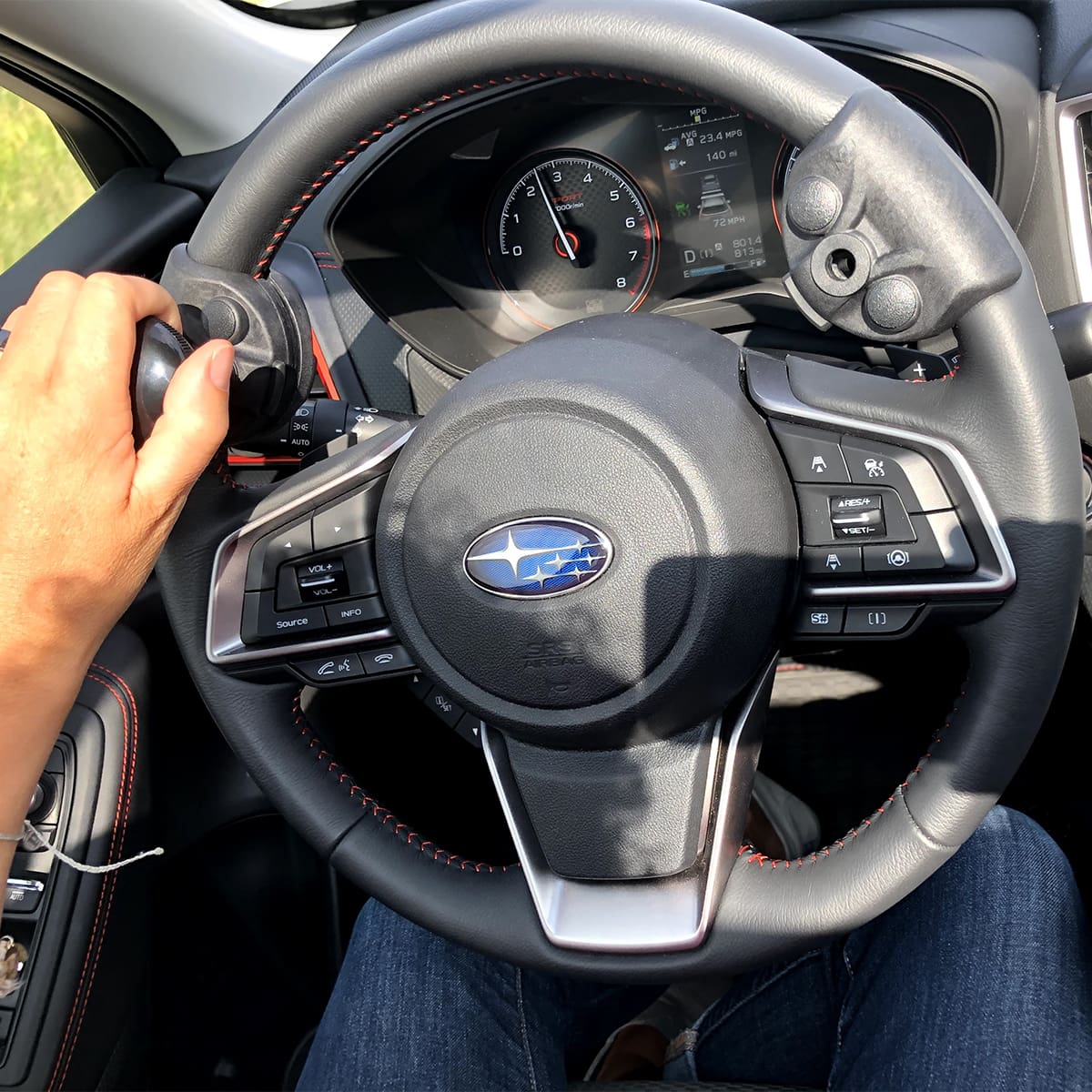
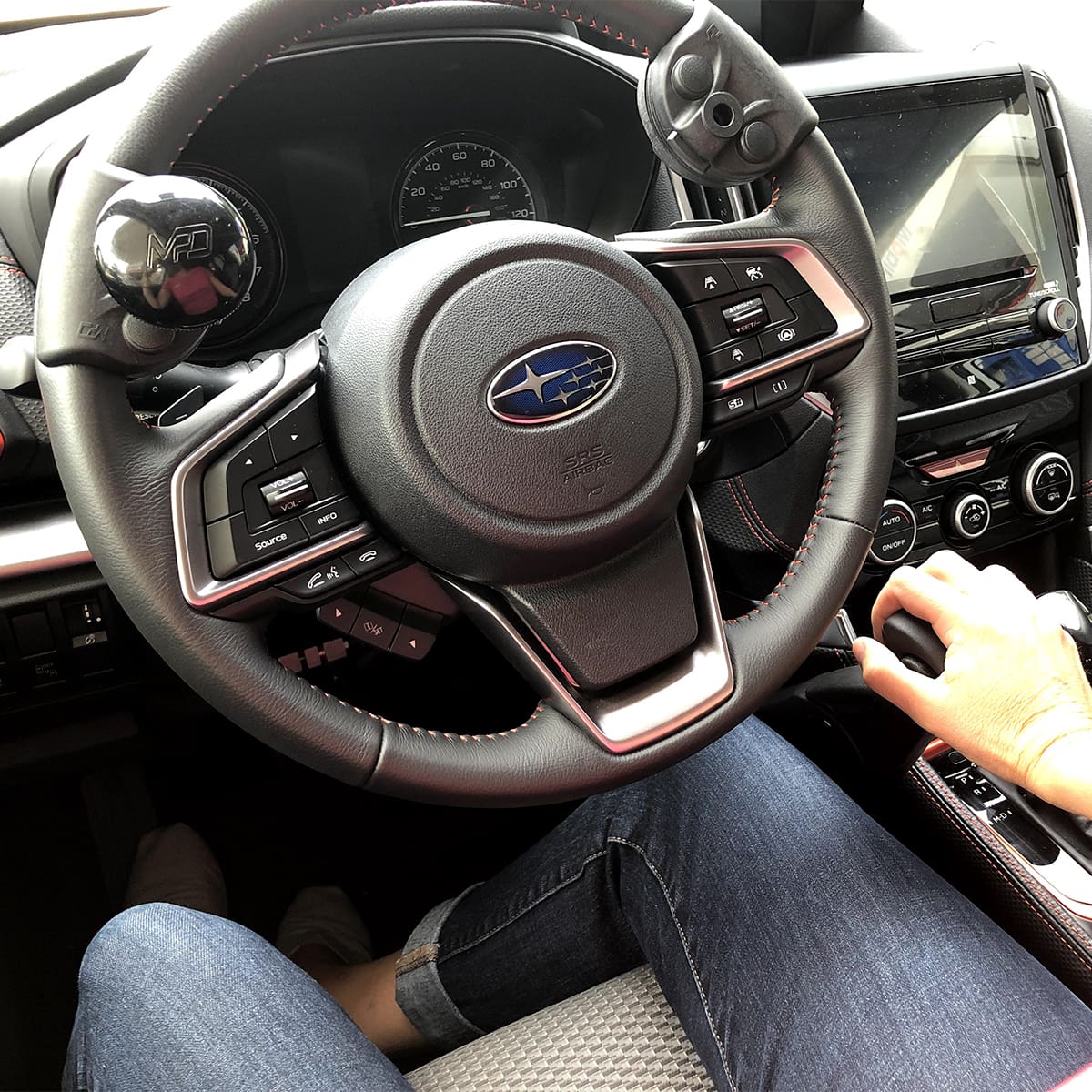
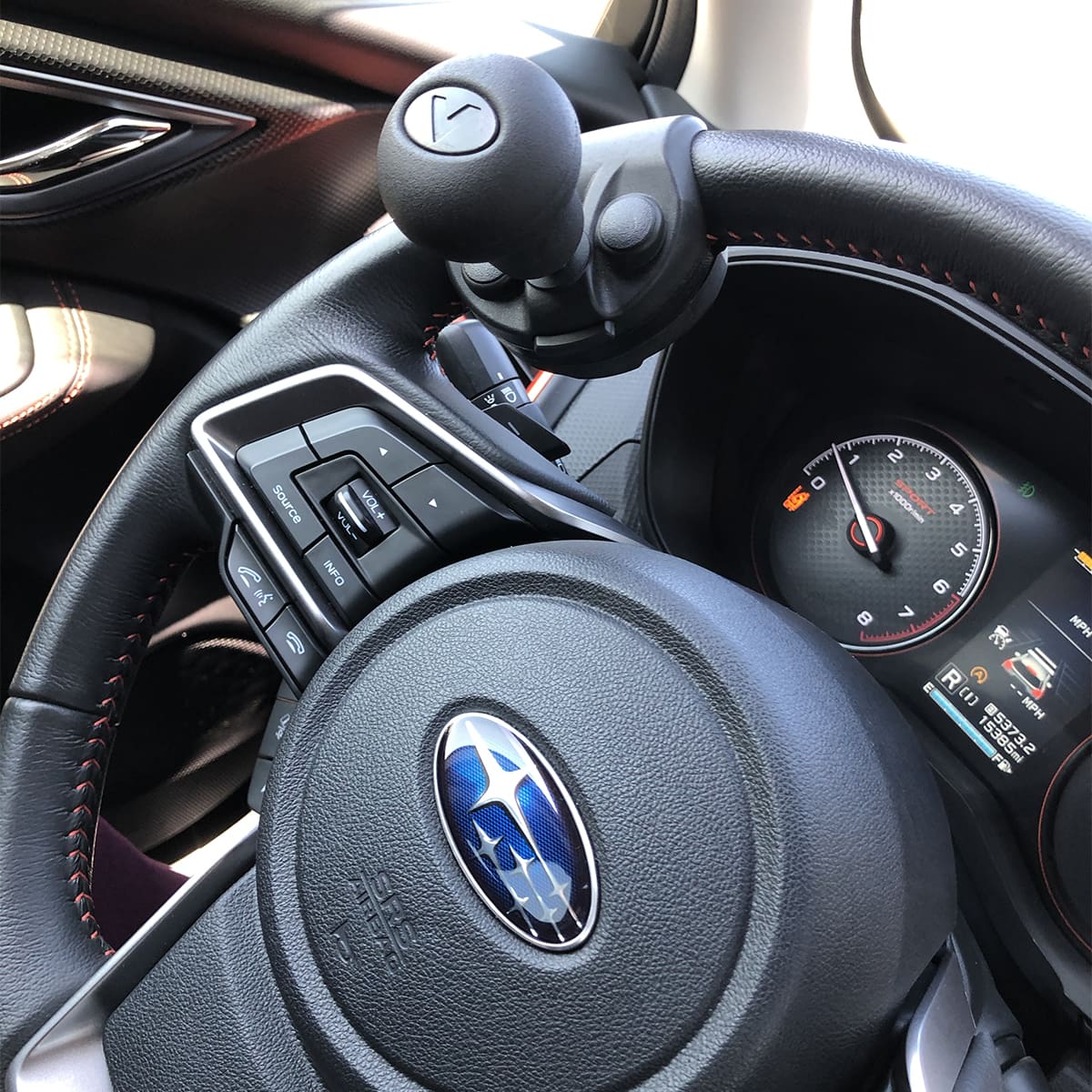
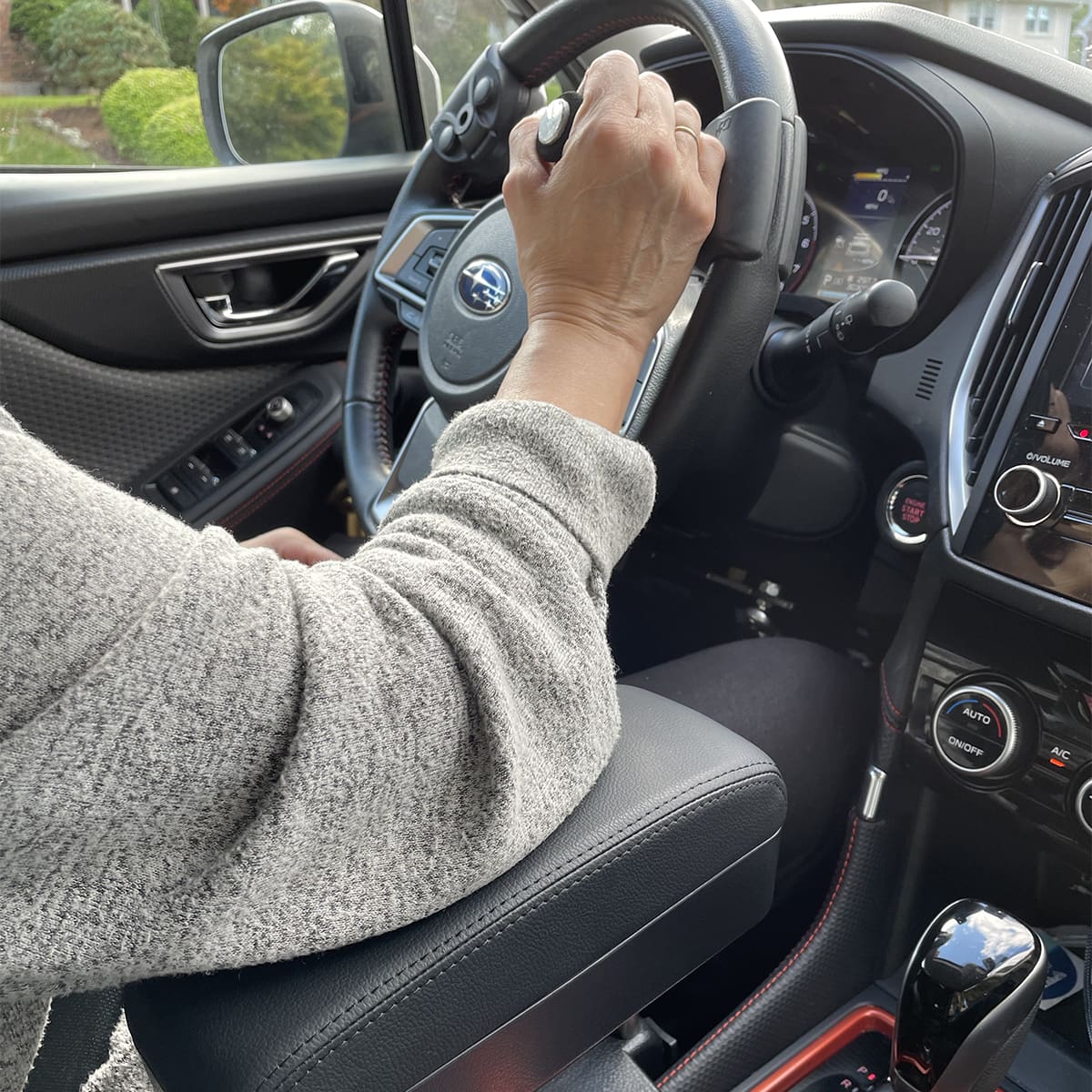
A vehicle with adaptive steering equipment.

Steering Devices

Steering devices are apparatuses attached to the vehicle steering wheel to permit safe operation and aid in turning the steering wheel for drivers who must steer with one hand. It allows them to remain in contact with the steering wheel at all times.
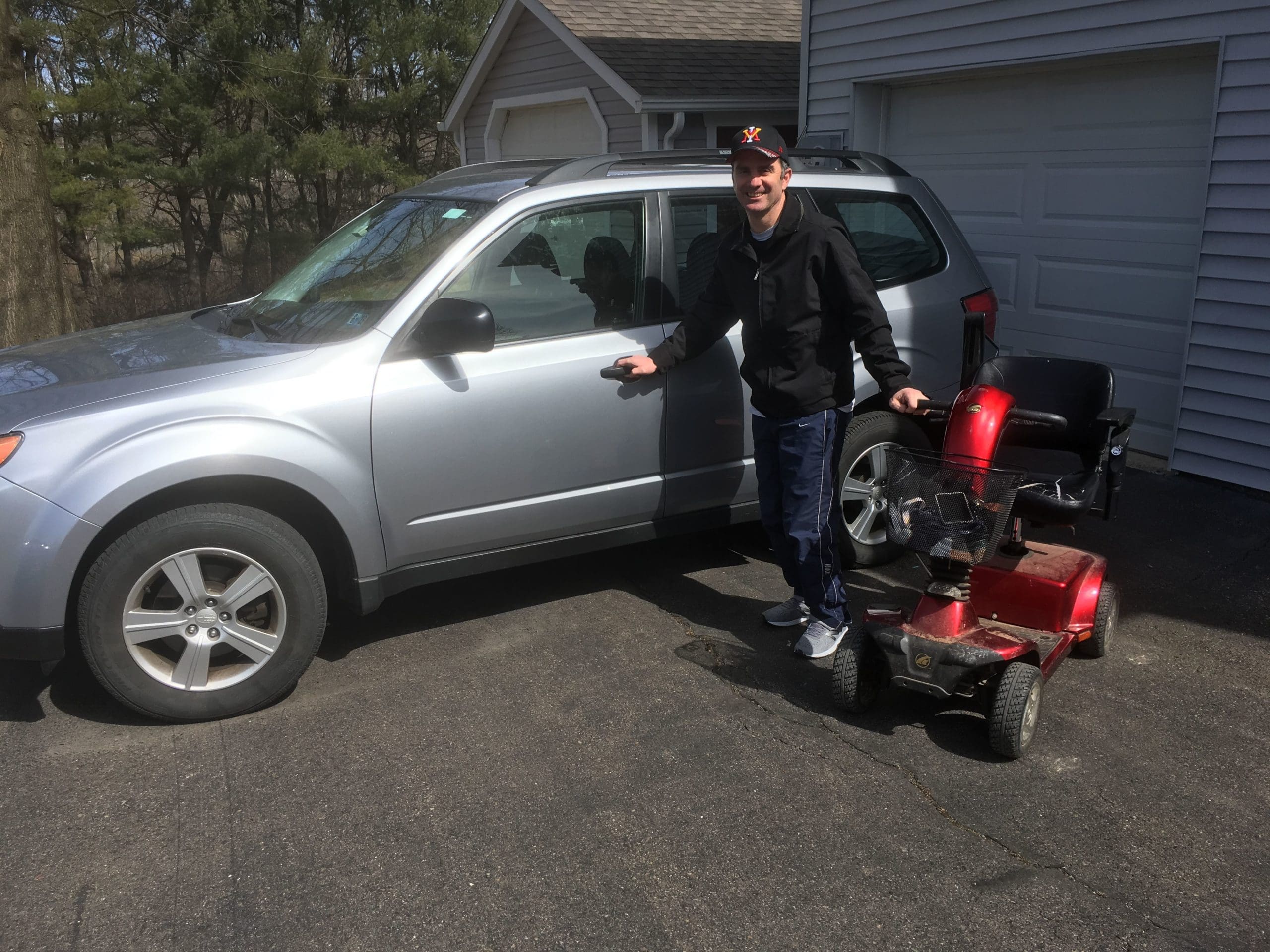
Person standing next to silver SUV, holding the door handle with one hand and the other resting on the handle of his motorized wheelchair scooter.

Solutions for your Wheelchair

When you use mobility devices, like a wheelchair or walker, you will need to be able to safely transfer and store your device in your vehicle. 

If you think you could benefit from adaptive equipment, we can help.

Evaluation & Training

Let us come to you! We will personally select and train you to use the best adaptive equipment for you.

PennDOT

In Pennsylvania, you will need an updated license to drive with equipment. Not to worry! We will help you navigate the PennDOT process.

Equipment Prescription

With your updated license in hand, we'll write up your prescription and help you work with your vendor of choice.

Adaptive Equipment FAQ
The process begins with an evaluation with a driver rehab specialist. This specialist will then match and train the driver to use specialized adaptive driving equipment. This training happens in the specialist’s driver rehab vehicle, which is equipped with a range of options. The specialist will also help the driver meet state specific licensing requirements. Once the driver is trained and licensed, the driver rehab specialist then writes a prescription for the specific equipment. A QAP vendor then installs the adaptive equipment in the driver’s vehicle. Adaptive equipment allows a person to drive safely with equipment and techniques that fit their needs. Training from a driver rehab specialist is often required for maximum safety.

Some examples of adaptive equipment include hand controls, pedal extensions, steering aids, swivel seats, left foot accelerator, or specialized mirrors.

The cost varies depending on the exact type of equipment. Basic modifications like a seat cushion may be as cheap as about $50. Mid-level modifications may be anywhere from $1500 to $6000, such as hand controls. More advanced modifications or a fully adapted vehicle can cost upwards of $15,000.

Insurance coverage varies depending on the carrier and exact plan. Some auto insurance policies may cover certain modifications if they are medically necessary. However, coverage often comes from state programs, Medicare or Medicaid, or veterans’ benefits. There are also grants and nonprofit programs that help to offset costs.

Any device or modification that helps a person with physical, sensory, or cognitive limitations to operate a vehicle independently is considered adaptive equipment. Adaptive equipment is anything that compensates for a limitation in driving abilities and that enables safe driving.

Driving with adaptive equipment often feels very different at first, but most people adapt quickly, especially when they have proper training and education from a driver rehabilitation specialist. Practice and customized equipment that fits individual needs makes driving safe and manageable with time.