Our Courses Transform Aspiring OT Driver Rehabilitation Specialists
Becoming a driver rehab specialist is more than just getting CEU hours. Adaptive Mobility Services believes it’s about gaining real confidence in practice and learning hands-on skills you can really use with your clients.
Adaptive Mobility’s OT-to-DRS training courses are created by an OT for OTs, with the understanding that driving is one of the most meaningful IADLs we get to address. Across both our Part 1 and Part 2 courses, occupational therapists who have taken the courses consistently share positive feedback. Read on to learn more.
How OTs Feel About Part 1: Driver Risk Assessment
The feedback we have received from the occupational therapists who completed Adaptive Mobility’s Part 1: Driver Risk Assessment paints a very clear picture. Our course isn’t just checking a box for OT continuing education. It’s changing how driving is approached in practice. The majority of this course’s participants gave the course a 5 out of 5 rating when it came to how knowledgeable they felt Susie Touchinsky of Adaptive Mobility is at presenting driver rehab information. The feedback shows that the course consistently “exceeds expectations.”
One OT shared, “Amazing! So much good, but easily digestible information.” Another added, “Content, presentation, relaying the information, provision of resources for where to begin—all stellar. I think my daily practice as an OT is about to change in a big way.”
The feedback for recommending the course to others echoed this positive outlook. Most OTs said they would confidently recommend the course to others who are interested in OT driving or becoming a driver rehab specialist (DRS). Performance on the Part 1 quiz reinforced the effectiveness of the course as well, with over 80% of OT participants successfully passing the course quiz. This shows that the course is an excellent source for helping others understand driver risk assessment and screening tools as well as making decisions clinically.
What stands out most is how immediately applicable the course feels. “I feel more confident in my role as an OT generalist to assess driving and have conversations with staff, patients, and family members,” one participant shared. Another said, “This course filled the gaps for in-clinic driving screening and gave me resources to actually do something with it.”
For many, Part 1: Driver Risk Assessment is a launch point toward CDRS certification or starting a driver rehabilitation business.
How OTs Feel About Part 2: OT Driver Rehabilitation Specialist
Like with Part 1, the feedback OTs provided after completing Part 2: OT Driver Rehabilitation Specialist is consistent and positive. Overall, feedback shows that this course builds true confidence and makes becoming a driver rehab specialist feel possible, not scary. Participants across the board rated the quality and usefulness of resources and materials provided a 4/5 or 5/5 stars. Some described the content as some of the very best OT continuing education they’ve ever taken.
One therapist shared, “Hands down the best online OT continuing education coursework I’ve ever taken—and appropriately priced.” Another noted, “The handouts are wonderful. I find myself watching the videos more than once.”
Support for the instructor also stood out. Many learners rated Susie’s responsiveness and guidance at the highest level. They often said about how supported they felt throughout online and hands-on portions of the course. “Susie has a wealth of information and presents it in an organized, easy-to-understand way,” one participant wrote. “She made everyone feel comfortable and confident—even in situations that felt intimidating at first.”
What one of the most telling things is that many OTs described how they were immediately going to apply what they learned. Some shared plans to start their own driver rehab program or collaborate with a local driving school while others want to integrate their new knowledge into clinical driver risk screening. As one OT put it, “I came in unsure and nervous. I’m leaving confident, excited, and ready for the next step.”
In the end, our course feedback shows that Part 2 was pivotal to their mindset. “This course opened my eyes to how many people can drive safely with the right adaptations,” one learner shared. Another summed it up simply: “This training really changed my life—and I can’t wait to help my clients with what I’ve learned.”
For employers looking to grow or expand into driving, at the outpatient level or specialist area of practice, this education is critical for helping the OT learn and implement change.
Enroll in Our OT-to-DRS Courses Today
For many, feedback shows that Adaptive Mobility’s education options don’t just add new skills but open the door to an entirely new area of practice and deeper calling as an OT. Enroll in Adaptive Mobility’s OT-to-DRS courses today to learn how to assess fitness to drive, safely manage on-the-road evals, and navigate adaptive driving equipment.

Meet Susie!
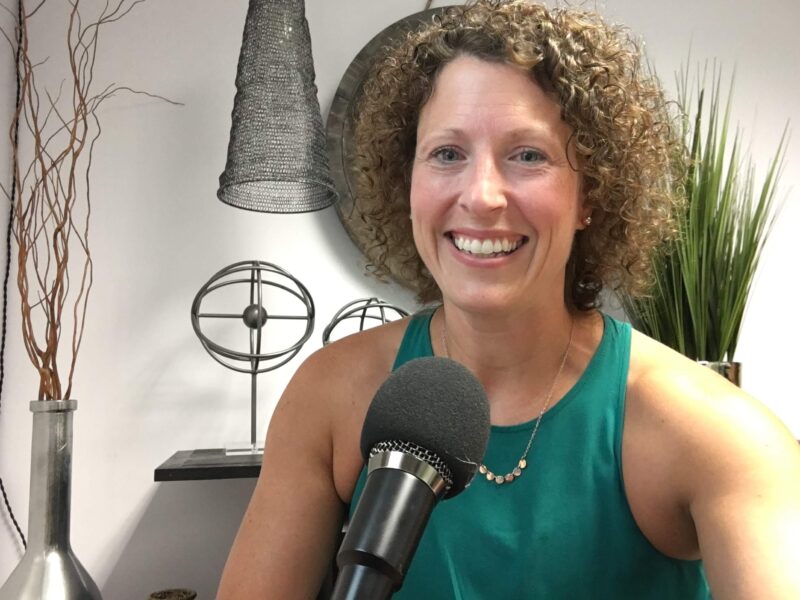
Susie Touchinsky, OTR/L, SCDCM, CDRS, is an established expert in both occupational therapy and driver rehabilitation. She has been an OT for more than 20 years and brings expertise and a love for helping others in her speeches and trainings.
Learn More With Our OT Driver Rehabilitation Specialist Courses
Try Our Free OT DRS Courses:
- OTs Role With Driving
- GRID: Generalist Resource to Integrate Driving
- Readiness to Drive: IADL Checklist
- FREE 6 Driving Resources for the OT
- 5-Steps Our Clients Use to Start Their Own Highly-Paid OT Driver Rehab Business
- Driving Risk Screening Tools
- BCAT Brief Cognitive Assessment Test System Overview
- BCAT Part 2: CBS 8 & 15-for-Me
Become the best OT Driver Rehabilitation Specialist you can be by being a life long learner.